How do you transform a complex architectural vision into a modern, sustainable landmark in central London?
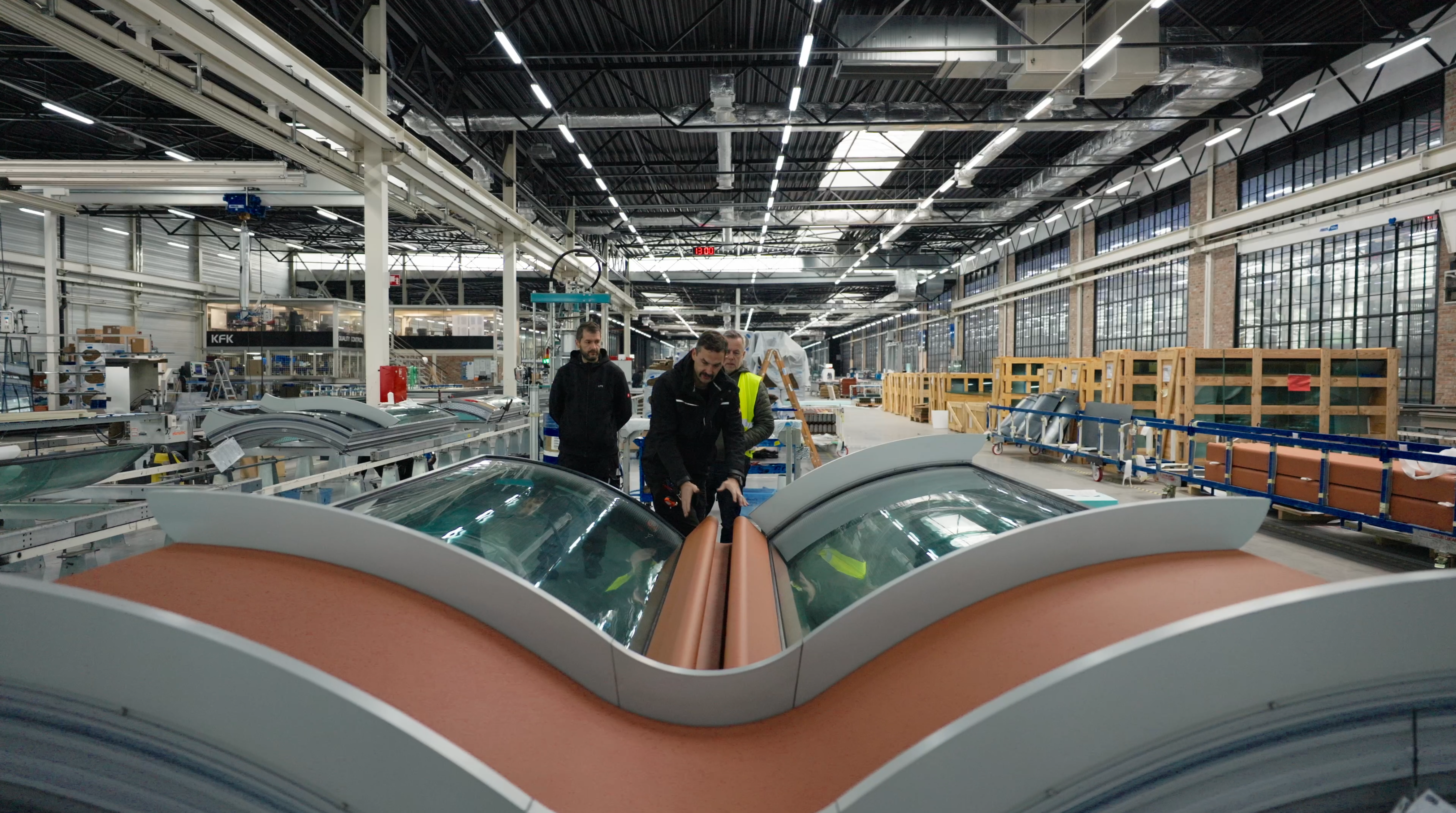
The striking exterior of 220 Blackfriars is a testament to what happens when bold architectural vision meets world-class industrial engineering. To truly appreciate the design and craftsmanship required to build a modern office in central London, we recently visited the state-of-the-art KFK manufacturing facility in Zagreb to inspect the fabrication of the building’s high-performance facade.
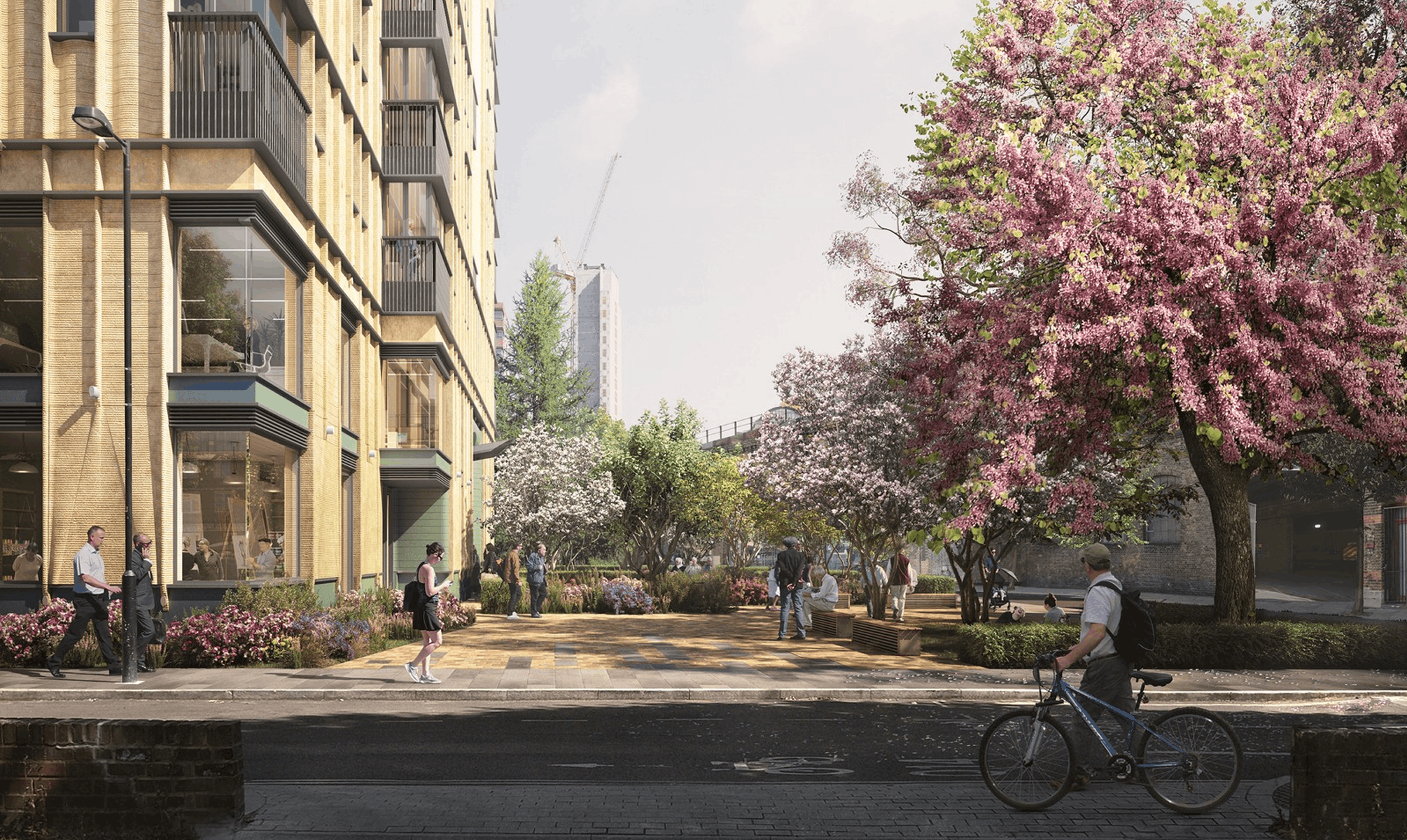
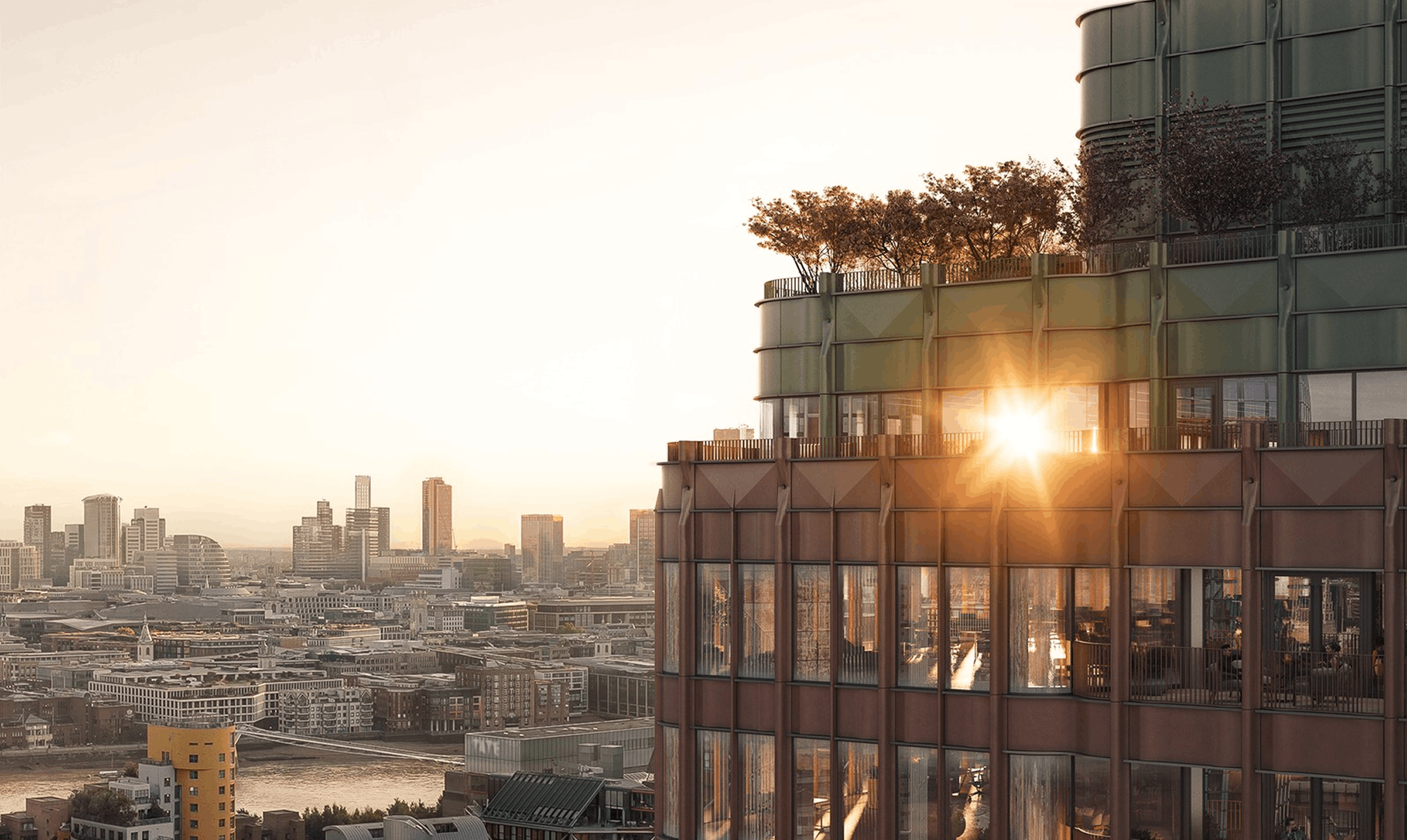
To transition this delicate creative vision into a complex, high-performance commercial reality, the detailed technical design was honed and executed by EPR Architects. The result is a contemporary woven expression featuring dramatic depth, shadow, and detail—utilizing unique colours, tenter hooks, bells, and wave panels that beautifully mimic the look of tightly stretched fabric.
Bringing this intricate geometry to life requires pushing the boundaries of traditional unitised facade manufacturing. At the KFK facility, achieving the depth and detail demanded by the design requires balancing technical automation with deep artisanal craftsmanship.
The manufacturing process follows an incredibly strict step-by-step procedure:
– 2,900 individual unitized facade panels
– Over 400 separate parts per panel
– Typically 4 meters by 2 meters
– Strictly kept within ± millimeter margin of error
One of the project’s most intense engineering challenges was managing the extreme thermal stress within the glazing. By collaborating heavily in technical workshops, the JTRE London design team and KFK’s engineers successfully resolved these structural pressures, allowing straight, concave, and convex glass geometries to sit flawlessly alongside one another.
Complete in-house fabrication at KFK ensures strict quality control and maximum efficiency. Rather than treating environmental efficiency as a secondary process, sustainability has been structurally embedded into the manufacturing cycle. Waste reduction is prioritized at every automated cutting stage, transport logistics to central London are highly optimised, and every single panel produced is digitally tracked for material origin, composition, and embodied carbon data.
To build a landmark that honours Southwark’s past while protecting its future requires seamless teamwork. The creation of this facade is a testament to what can be achieved when developers, creative architects, technical design teams, and specialised contractors align under a singular vision.